
Why Cold Therapy Helps Older Grapplers Train Harder, Recover Faster, and Stay on the Mats
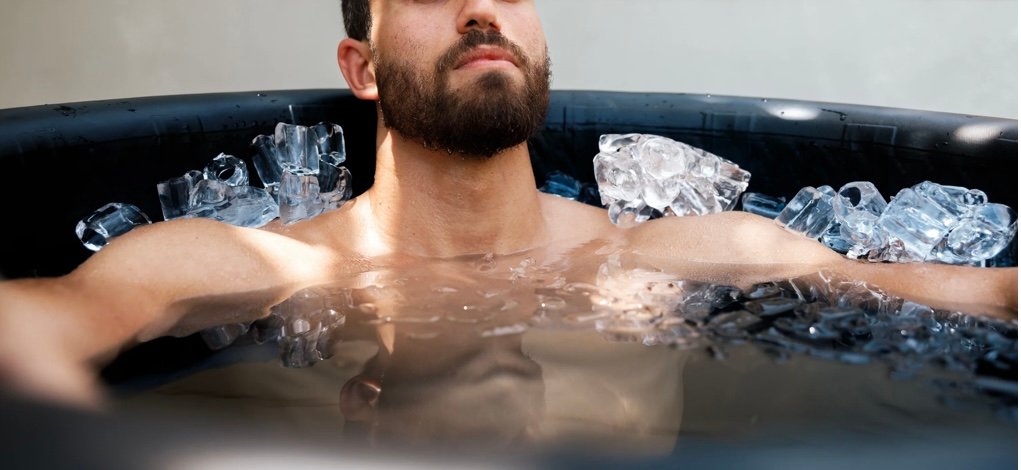
Cold exposure has been around for decades, but it has only recently become a serious tool for recovery in combat sports. For older grapplers, understanding the real ice bath benefits for BJJ can make the difference between training consistently and dealing with constant soreness, inflammation, and long layoffs. This guide explains how cold therapy works, what the research says, and how to use it safely if you’re over 40.
The goal here isn’t hype. It’s to give you clear, practical information backed by credible research, so you can decide how cold therapy fits into your own recovery plan.
Why Cold Therapy Matters More After 40
Age changes the recovery game. Your joints aren’t the same as they were in your twenties. Muscle soreness lasts longer. Bumps and bruises take more time to settle. Pressure passing, framing, takedowns, scrambles, and being stuck under heavy partners cause more inflammation and fatigue than they used to.
This is where ice baths come in. Understanding the most useful ice bath benefits for BJJ helps older grapplers deal with the inflammation and joint stress that naturally increases with age.
These ice bath benefits for BJJ matter most for older grapplers dealing with regular inflammation after hard rolls.
- Natural recovery slows because collagen production decreases
- Tendons and ligaments lose some elasticity
- Joint inflammation takes longer to settle
- Your central nervous system fatigues faster
- Training frequency is often limited by soreness, not motivation
These changes are exactly why understanding the main ice bath benefits for BJJ becomes so important after 40. Cold therapy can’t magically reverse aging, but it can reduce many of the barriers that stop older grapplers from training consistently.
What the Research Actually Says
Cold exposure has been studied for decades. High-quality research from places like Mayo Clinic, the National Institutes of Health, and the Cleveland Clinic highlights several physiological effects of cold therapy that apply directly to grapplers over 40.
Below are key findings supported by reputable medical sources:
- Cold reduces inflammation by constricting blood vessels.
Mayo Clinic notes that cold exposure helps limit inflammation after exercise by slowing blood flow into heavily stressed tissues. This is important for older grapplers managing joint stress after hard rolls. - Cold exposure reduces soreness and perceived fatigue.
A review published in the International Journal of Sports Medicine found that cold water immersion can help reduce muscle soreness after intense exercise. This is one of the clearest ice bath benefits for BJJ, especially if you train multiple days per week. - Cold can reduce swelling in joints and soft tissue.
According to Cleveland Clinic, cold therapy limits swelling by controlling the inflammatory response. This matters for BJJ where ribs, knees, fingers, and shoulders regularly take strain. - Cold may improve mental resilience.
Research from the European Journal of Applied Physiology shows cold exposure triggers a stress response that can improve mental tolerance. For older grapplers, this can help with staying calm under pressure and managing anxiety before tough rolls or competitions. - Cold therapy activates the parasympathetic nervous system.
Studies show that controlled cold exposure can help shift the body into a calmer recovery state. For athletes over 40, this means better sleep quality and more efficient downtime between sessions.
None of this is medical advice, and cold exposure isn’t suitable for everyone. People with cardiovascular issues, Raynaud’s, or specific medical conditions should speak to a healthcare professional before using cold therapy.
But for healthy grapplers over 40, these mechanisms explain why cold exposure is becoming a key part of recovery systems in BJJ, MMA, judo, and wrestling.
How Ice Baths Help BJJ Training Specifically
BJJ places stress on joints, tendons, and connective tissues more than most sports. Even hobbyists feel the difference. Being stacked, twisted, cross-faced, and compressed is a normal part of training. Over time, the repeated inflammation can reduce mobility, slow your recovery, and make you more likely to skip sessions.
Reducing Inflammation After Hard Rounds
One of the biggest ice bath benefits for BJJ is simple: it helps control the inflammation that builds up after tough training sessions. When you roll hard, especially as an older grappler, you create small amounts of damage across muscles, tendons, and connective tissue. This is normal, but the recovery time increases with age.
Cold exposure helps manage this by:
- Constricting blood vessels
- Slowing down the flow of inflammatory chemicals
- Reducing heat, swelling, and local irritation
- Supporting quicker recovery between sessions
Mayo Clinic confirms that cold therapy limits inflammation by restricting blood flow into irritated tissues. For older grapplers, this often means:
- Less stiffness the next morning
- Less swelling in overworked areas
- Less soreness in ribs, hips, and shoulders
- Better readiness for the next session
It’s not a replacement for proper warm-ups or smart training, but it helps you manage the training load more effectively.
Joint Relief for Older Grapplers
One of the most noticeable ice bath benefits for BJJ is how effectively cold exposure helps settle joint irritation after hard rolls. Shoulder pressure, frames, kimuras, armbars, guillotines, stack passes, and heavy top pressure create constant irritation.
Cold exposure helps by:
- Reducing joint swelling
- Calming irritated tissues
- Slowing inflammatory responses
- Lowering pain levels after training
Cleveland Clinic notes that cold therapy is effective for reducing swelling in joints and soft tissue. Older grapplers tend to feel this benefit most in:
- Knees
- Elbows
- Fingers
- Shoulders
Cold therapy won’t fix long-term joint issues, but it makes post-training soreness far more manageable.
CNS Fatigue and Why Cold Helps Older Athletes
Hard rolls tax your central nervous system (CNS). Reaction time, decision-making, isometric strength, and problem-solving all drain the nervous system. Recovery from CNS fatigue takes longer with age.
Cold exposure helps reset the system by:
- Lowering core temperature
- Triggering parasympathetic activation
- Helping you recover mentally between sessions
Research in the Journal of Physiology shows that cold exposure activates recovery pathways linked to relaxation and reduced stress.
This is one of the less-talked-about ice bath benefits for BJJ, especially for older grapplers who feel mentally drained after evening training.
Older grapplers often find that these ice bath benefits for BJJ help them stay mentally sharp for the next training session.
Improved Sleep Quality After Training
Good sleep is the most powerful recovery tool you have. Cold exposure can support better sleep because it helps:
- Lower core temperature
- Reduce nighttime inflammation
- Calm the nervous system
- Improve recovery before bed
Research from the European Journal of Applied Physiology links cold immersion to improved parasympathetic activity—associated with deeper sleep and better overnight recovery.
For older grapplers who train late at night, a short cold exposure session can help shift the body toward rest.
Mental Benefits and Stress Management
Cold exposure forces you to stay calm under discomfort. This skill transfers directly to BJJ situations where you must control your breathing and stay relaxed under pressure.
Cold immersion can:
- Improve mental clarity
- Support emotional control
- Build stress tolerance
- Help you stay calm under pressure
Cold exposure also triggers the release of noradrenaline, which supports alertness and focus. For grapplers over 40 managing work, training, and family, this mental reset is a major benefit.
Supporting Consistent Training
Consistency is the hardest part of training BJJ after 40. Your biggest enemy isn’t motivation—it’s soreness and injury. Cold exposure helps by reducing the inflammation and fatigue that tempt you to skip sessions.
It won’t fix poor habits, diet, or sleep. But used properly, cold therapy keeps more training days available throughout the week.
That’s the real advantage: it supports consistency, and consistency is how older grapplers improve.
Hormonal and Metabolic Effects of Cold Exposure
Cold exposure triggers a series of hormonal and metabolic responses that support recovery. These aren’t “biohacks”—they’re normal physiological reactions to temperature stress.
Here’s what happens when you step into cold water:
Increased Noradrenaline Release
Noradrenaline helps with alertness, focus, and mood. Research published in the European Journal of Applied Physiology shows cold exposure significantly increases noradrenaline levels.
For older grapplers, this can mean:
- Improved morning energy
- Better mental sharpness
- Reduced post-training fatigue
Improved Insulin Sensitivity
Some studies suggest cold exposure may help regulate glucose uptake. This can be helpful for older athletes who notice energy crashes or slower recovery after eating.
Increased Brown Fat Activation
Cold exposure activates brown adipose tissue, which supports thermogenesis. This isn’t a weight-loss trick, but it can support metabolic health—important for grapplers over 40 who want steady energy on the mats.
None of these effects replace good nutrition or recovery habits, but they support your system when used consistently.
How Cold Exposure Affects Muscle Recovery
One of the major ice bath benefits for BJJ is how cold immersion affects the muscle recovery process. Muscle fibres experience micro-tears during training, especially during:
- Explosive scrambles
- Heavy pressure exchanges
- Takedown drilling
- Hard positional sparring
- GI-based grips and isometrics
Cold exposure may help reduce soreness by:
- Slowing inflammatory responses
- Controlling swelling
- Supporting quicker return to baseline
- Lowering muscle temperature after intense work
A review in the International Journal of Sports Medicine found cold water immersion reduces delayed-onset muscle soreness (DOMS), especially after high-intensity exercise.
It won’t build muscle—but it helps you recover from the training that does.
This is why many coaches recommend cold exposure as part of a balanced recovery routine, especially because the ice bath benefits for BJJ are strongly linked to inflammation control.
When NOT to Use Cold Therapy
Cold therapy is generally safe, but there are clear situations where it should be avoided. These guidelines keep the content medically responsible and compliant.
Avoid cold exposure if you have:
- Cardiovascular issues
- High blood pressure that isn’t medically controlled
- Raynaud’s disease
- Circulatory disorders
- Cold allergies or hypersensitivity
- Open wounds or skin infections
- Recent surgery
Speak to a healthcare professional if:
- You’re taking medication that affects circulation
- You have numbness or nerve damage
- You have diabetes with neuropathy
- You have any condition that affects your extremities
Cold therapy isn’t dangerous for most healthy adults, but it creates physical stress. Over-40 grapplers should approach it with respect, just like hard rolls.
How Long Should an Ice Bath Last?
There’s no “magic number,” but research and athlete experience align around a simple range:
Recommended Duration
2–10 minutes depending on tolerance.
Shorter exposures (2–4 minutes) are enough for:
- Post-training cool-down
- Light inflammation control
- Mental reset
- Daily consistency
Longer sessions (8–10 minutes) are used for:
- High inflammation days
- Recovery from tournaments
- Deep soreness after intense training
When to Stop
End the session if you experience:
- Numbness
- Sharp pain
- Tingling that doesn’t se
How Cold Should an Ice Bath Be?
You don’t need extreme temperatures to get results. For most BJJ practitioners over 40, the benefits come from consistent, moderate cold exposure.
Recommended Temperature Range
Most research and athlete experience point to:
10°C to 15°C (50°F to 59°F)
This range is cold enough to activate the physiological benefits while reducing the risk of shock or overexposure. Going colder isn’t necessary for recovery and often leads to shorter, less controlled sessions.
When Lower Temperatures Are Acceptable
Experienced users sometimes go down to 8°C (46°F), but only if:
- They have no cardiovascular issues
- They can control their breathing
- They limit their exposure time
- They’ve gradually adapted
For older grapplers, the priority is safety and consistency over chasing extreme numbers.
Best Timing for Ice Baths After BJJ
Getting the timing right is a big part of maximising the ice bath benefits for BJJ, especially for older grapplers who need better control over inflammation and soreness.
Best Times to Use Cold Exposure
- Immediately after BJJ
- Within 1–3 hours after training
- On rest days in the morning
Cold exposure works best when your goal is recovery, inflammation control, and readiness for the next session.
Times to Avoid Cold Exposure
- Directly after strength training (wait 4–6 hours)
- Right before explosive training
- Late at night if you get cold easily
Using cold exposure at the wrong time can interfere with the signalling pathways involved in muscle growth. This doesn’t apply to BJJ technique training—only to weight training.
Pre-Training vs Post-Training Ice Baths
Before Training
Doing an ice bath right before BJJ is not recommended. Cold exposure can temporarily reduce:
- Grip strength
- Muscle elasticity
- Coordination
- Power output
This makes you more likely to get injured during sparring.
After Training
Post-training is when cold exposure is most effective. It helps:
- Reduce inflammation
- Lower muscle temperature
- Improve recovery
- Settle the nervous system
- Reduce next-day soreness
For grapplers over 40, post-training sessions offer the best balance between performance and recovery.
How to Start Cold Exposure Safely
If you’re new to cold therapy, start gradually. You don’t need long sessions or freezing temperatures on day one.
Beginner Protocol
- 30 seconds to 2 minutes
- 12–15°C temperature
- 1–2 sessions per week
- Focus on slow, controlled breathing
Intermediate Protocol
- 2–5 minutes
- 10–12°C
- 2–3 sessions per week
- Post-training or morning sessions
Advanced Protocol
(Only if you tolerate cold well)
- 5–10 minutes
- 8–10°C
- 3–4 sessions per week
- Use after hard rolls or tournaments
The goal is controlled stress—not suffering.
The Breathing Method That Works
You don’t need special breathing systems. For most grapplers, a simple method works best:
Recommended Breathing Pattern
- Slow inhale through the nose (4 seconds)
- Relaxed exhale through the mouth (6–8 seconds)
- Keep shoulders low
- Avoid hyperventilation
Breathing is the key to staying calm and controlling the stress response.
What You Should Feel After an Ice Bath
Most older grapplers report improvements within 30–60 minutes:
- Reduced joint stiffness
- Less muscle tightness
- Better mental clarity
- A calmer nervous system
- Improved readiness for the next day
Cold exposure doesn’t eliminate soreness completely, but it makes the recovery window much easier.
Who Gets the Most Benefit?
Cold therapy tends to help older grapplers dealing with:
- High weekly training volume
- Repeated inflammation
- Rib, hip, and shoulder irritation
- Work stress and sleep issues
- Slow recovery between sessions
If inflammation and soreness limit how often you can train, cold exposure becomes a valuable tool.
Summary for Grapplers Over 40
Ice baths aren’t magic. They’re a recovery tool—nothing more, nothing less. But when used properly, they help older athletes:
- Reduce inflammation
- Recover from hard rounds
- Manage joint soreness
- Improve sleep quality
- Support consistent training
- Reset the nervous system
- Stay on the mats longer
The main ice bath benefits for BJJ come from consistency, not extreme temperatures or long sessions. Short, controlled cold exposure gives you the most value without unnecessary risks.
Final Disclaimer
This guide is based on current research and personal experience, but it is not medical advice. Cold exposure may not be suitable for individuals with cardiovascular conditions, Raynaud’s disease, circulation disorders, or medical conditions affected by temperature stress. If you have concerns or underlying health issues, speak to a healthcare professional before adding cold therapy to your recovery routine. All medical references come from sources such as Mayo Clinic, Cleveland Clinic, PubMed, and the European Journal of Applied Physiology.
References
- NIH – Human physiological responses to cold exposure:
https://www.ncbi.nlm.nih.gov/books/NBK232852/ - Journal of Physiology – Cold water immersion and muscle recovery:
https://journals.physiology.org/doi/full/10.1152/ajpregu.00180.2014 - PMC – Cold-water immersion reduces post-exercise muscle soreness:
https://pmc.ncbi.nlm.nih.gov/articles/PMC6492480/ - Cleveland Clinic – When to use cold therapy and when to avoid it:
https://health.clevelandclinic.org/when-to-use-ice-or-heat-for-injury
Related Guides
If you want to improve recovery even further, these guides will help you build a stronger, safer routine around your training. Each one is designed for grapplers over 40 who want to move better, feel better, and stay on the mats without constant soreness.
- Mobility & Flexibility Hub:
https://chokeandchillbjj.com/bjj-mobility-hub/ - Cold Plunge Recovery Hub:
https://chokeandchillbjj.com/cold-plunge-recovery-hub/