
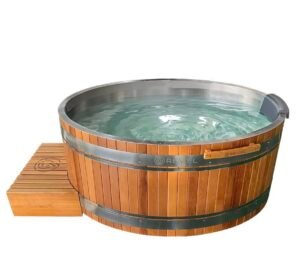
Finding the right BJJ cold plunge is tougher than it looks. Once you’re over 40, recovery becomes the difference between training twice a week and training consistently without joint pain or next-day stiffness. The problem is simple: most cold plunges are built for general fitness users, not grapplers dealing with pressure rounds, takedown days, rib irritation, and long sparring sessions.
This guide breaks down what actually matters when choosing a reliable BJJ cold plunge and how to avoid wasting money on tubs that can’t stay cold, break quickly, or feel uncomfortable for full-body immersion.
Why BJJ Athletes Need Different Cold Plunge Features
Most cold plunge marketing is aimed at runners or gym-goers, not grapplers who get stacked, crushed, or folded under pressure. A BJJ cold plunge has to take recovery needs into account that other sports don’t deal with.
What BJJ adds to recovery demands:
- More joint pressure
- More spinal compression
- Higher likelihood of muscle bruising
- More inflammation from gripping and scrambles
- Greater stress on ribs, hips, and shoulders
That’s why grapplers over 40 often benefit more from cold exposure than younger athletes. Recovery has to be targeted, predictable, and consistent. And the right cold plunge helps with all three.
The Three Levels of Cold Plunges (and What They Mean for BJJ)
Before you pick a BJJ cold plunge, you need to understand the three major categories on the market. Each one works, but they serve different needs depending on budget, training volume, and how cold you want the water to stay.
1. Basic Portable Tubs
These are collapsible or inflatable tubs with no cooling system.
Best for:
- Beginners experimenting with cold exposure
- Low-frequency plunging
- People unsure if they’ll commit long term
Limitations:
- Water doesn’t stay at consistent cold temperatures
- Requires constant ice
- No filtration
- Least durable
Portable tubs are fine for testing the waters (literally), but they rarely hold up for long-term use—especially if you train BJJ 3–5 times per week.
2. Insulated Tubs Without a Chiller
These are stronger tubs with thick insulation but no active cooling system.
Best for:
- Budget-conscious grapplers
- Outdoor use in cold climates
- Occasional plungers
Limitations:
- Still depends on ice
- Temperature fluctuates
- More maintenance than people expect
They’re a solid middle-ground, but still lack the consistency older grapplers need. If you’re training hard and often, a BJJ cold plunge needs predictable water temp every session.
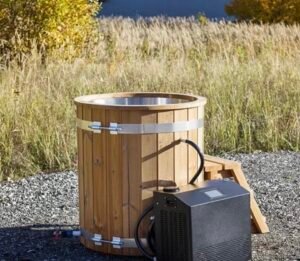
3. Chiller-Based Cold Plunges
These are the most reliable option. A chiller keeps the water cold automatically and filters it continuously.
Best for:
- Grapplers training 3+ times per week
- Over-40 athletes who rely on recovery systems
- Anyone who wants long-term value
Benefits:
- Set the exact temperature
- No ice needed
- Cleaner water with filtration
- More hygienic
- Consistent recovery routine
For a BJJ cold plunge that supports real training volume, chiller-based options are the most practical long-term solution.
What Older Grapplers Actually Need From a Cold Plunge
Once you’re past 40, the goal isn’t to endure the cold—it’s to use it strategically to stay on the mats. That means picking a cold plunge with features that support joint health, inflammation control, and consistent use.
Key features to prioritise:
- Consistent temperature control (8–12°C range)
- Good insulation if outdoors
- Enough space to submerge shoulders
- Strong materials that won’t crack
- Easy-to-clean interior
- Low maintenance filtration
These features matter more than brand names or aesthetics. A proper BJJ cold plunge is defined by reliability, comfort, and predictable cooling—not gimmicks.
How Budget Affects Your Cold Plunge Choice
A common mistake is thinking you need the most expensive plunge on the market. That’s not true. What matters is matching your budget to your training habits.
If you train 1–2 times per week:
A basic tub might work for now.
If you train 2–4 times per week:
An insulated tub or basic chiller setup will be more consistent.
If you train 4–6 times per week:
A full chiller-based BJJ cold plunge is the most reliable option.
Consistency is what delivers results—not the price tag.
How to Pick the Right Size and Shape for a BJJ Cold Plunge
Most people overlook size, but it’s the single biggest factor in how comfortable and effective your cold plunge will be. Grapplers need more space than runners or general gym users because we deal with tight hips, stiff ribs, rounded shoulders, and soreness in multiple areas at once. A proper BJJ cold plunge should let you submerge fully without feeling cramped or forced into awkward positions.
The Minimum Space You Should Aim For
If you’re over 40 and train regularly, look for these minimum dimensions:
- Length: 110–130 cm
- Width: 70–80 cm
- Depth: 60–70 cm
These numbers ensure you can sit upright, submerge your shoulders, and relax your breathing. A cramped tub increases tension instead of reducing it, which defeats the purpose of cold exposure.
Why Shape Matters for Grapplers
Not all tubs are shaped the same. When choosing a BJJ cold plunge, look at these three common designs:
1. Vertical or Barrel Style
Best for:
- Small spaces
- Lower budgets
- Occasional plungers
Downside:
- Harder to submerge fully
- Shoulders and upper back may sit above the water
This style works for beginners but isn’t ideal for regular use.
2. Horizontal Soak Tubs
Best for:
- Full-body submersion
- Shoulder and rib relief
- Long-term consistency
These are the most comfortable for grapplers because you can sink in fully, control your breathing, and stay relaxed.
3. Long, Stretch-Out Plunges
Best for:
- Taller athletes
- Anyone who wants extra room
- Outdoor setups
- People with hip tightness
Downside:
- More expensive
- Requires more space
If you want the most comfortable BJJ cold plunge experience possible, this is the style that supports full immersion and long soaks.
Temperature Control: The Most Important Feature of a good cold plunge
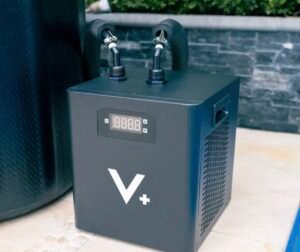
The entire point of a cold plunge is consistent temperature. Without it, you’re just sitting in cold water that varies day to day. Serious recovery requires predictable exposure, especially when you’re training in your 40s or older.
The Ideal Temperature Range
Research and real-world experience both point to the same range:
8–12°C (46–54°F)
Why this works:
- Cold enough to trigger physiological recovery responses
- Safe for regular use
- Comfortable enough to stay in for 2–5 minutes
- Doesn’t shock the system excessively
A reliable BJJ cold plunge should hold this range without needing daily adjustments or extra ice.
Why Cheap Tubs Can’t Stay Cold
Inflatable tubs lose temperature fast because they rely on ambient air and thin walls. Once the sun hits them or warm air circulates, the water warms up.
That leads to:
- Inconsistent results
- Shorter sessions
- More ice costs
- Less reliable recovery
If you plan to use a plunge more than twice a week, consistent temperature control becomes essential.
Insulation: The Hidden Component Most People Miss
Insulation matters as much as temperature control. A poorly insulated tub forces the chiller to work harder or requires more ice, which increases cost and maintenance over time.
Look for These Insulation Features:
- Thick external walls
- A tight-fitting lid
- Bottom insulation
- UV-resistant outer shell
Better insulation = colder water for longer = cheaper long-term running costs.
Filtration and Hygiene: Non-Negotiable for Daily Use
This part gets ignored by most people until the water smells or goes cloudy. If you plan to use your BJJ cold plunge consistently, you need filtration that can handle sweat, salt, skin cells, and outdoor debris.
Minimum Filtration Quality:
- A basic pump
- A small inline filter
- Weekly water testing
- A lid to keep debris out
With proper filtration, water stays clear, safe, and low-maintenance for weeks at a time.
A clean plunge is a usable plunge — and older grapplers depend on consistency more than intensity.
Practical Setup Tips When Using a BJJ Cold Plunge at Home
Once you’ve chosen the right type of plunge, setup becomes the next step. A good setup makes sessions smoother, safer, and easier to maintain. The goal is simple: create a recovery routine you’ll actually stick to.
Find a Stable, Level Surface
A filled BJJ cold plunge is heavy. Even smaller tubs hold 150–250 litres of water.
Look for:
- A completely level surface
- Strong flooring or decking
- A spot with some privacy
- A location with access to drainage
Avoid placing plunges on soft ground or anywhere that slopes, as this can stress the tub walls over time.
Indoor or Outdoor?
Both setups work — the difference is maintenance and temperature control.
Indoor benefits:
- More stable water temperature
- Lower energy use
- Less UV exposure on the tub
- Faster, easier access
Outdoor benefits:
- More space
- Natural cooling in winter
- Can be paired with outdoor gyms or recovery zones
If your space allows, outdoor plunges are excellent during colder months. Indoors is better for year-round consistency.
Safety Considerations Before Using a Cold Plunge
A BJJ cold plunge is a powerful recovery tool, but you still need safe habits before getting in. Most safety issues come from people going too cold, too fast, or staying in too long.
Key safety points:
- Keep sessions short (2–5 minutes is enough)
- Avoid extreme temperatures below 5°C unless used to it
- Breathe slowly and stay calm during the initial shock
- Step out carefully to avoid slipping
- Have a towel and dry clothes ready
These steps help maintain control, especially if you’re coming straight from sparring or strength training.
Who should be cautious?
People with cardiovascular conditions or blood-pressure issues should speak with a medical professional before using cold exposure regularly. Cold plunges are safe for most people, but personalised medical advice is always recommended for specific health concerns.
How to Build a Simple, Sustainable Routine
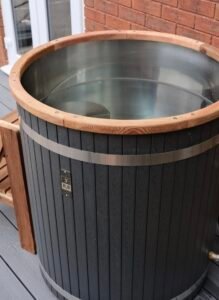
The best recovery routines are the ones you stick to. Here’s a straightforward cold plunge structure that works well around BJJ training.
After Hard Training Days
Use your BJJ cold plunge later in the day or evening.
Benefits:
- Helps calm inflammation
- Reduces next-day stiffness
- Supports better sleep
On Light or Non-Training Days
Use cold exposure for mood, alertness, or general well-being.
A simple routine:
- 2–3 plunges per week
- 2–5 minutes per session
- 8–12°C water
You can increase or reduce frequency depending on how your body feels.
Before Training (Selective Use)
This is optional and depends on personal preference.
Useful for:
- Waking up
- Increasing alertness
- Reducing soreness before drilling
Not recommended before:
- Strength training
- Power-focused sessions
- High-intensity rolling
Cold exposure before explosive work can reduce short-term muscle output, so stick with post-training plunges for recovery purposes.
Why Comfort Matters More Than “Toughing It Out”
A common mistake is treating cold plunges like a toughness test. Recovery tools should reduce stress, not add more. Comfort plays a big role in how long you keep a routine going.
Choose a BJJ cold plunge that:
- Feels comfortable to sit in
- Has enough interior space
- Allows controlled breathing
- Doesn’t require constant setup work
If the experience is relaxing rather than stressful, you’ll use it consistently — and consistency is what improves recovery between sessions.
How Environment Affects Water Temperature
Even with a chiller system, your environment affects how well your plunge holds its target temperature.
Outdoors in warm weather:
- Water may warm faster
- Chiller runs longer
- Lid becomes essential for maintaining cold
Outdoors in cold weather:
- Water stays cold naturally
- Energy use drops
- Insulation becomes more important
Indoors:
- More stable overall
- Less power use
- Easier to keep clean
Understanding these differences helps you set realistic expectations for daily use.
Putting It All Together: Choosing the Right BJJ Cold Plunge
A good BJJ cold plunge isn’t about buying the most expensive tub or chasing extreme temperatures. It’s about choosing something reliable that supports consistent recovery so you can keep training without constant soreness. If a plunge holds temperature well, fits your space, feels comfortable to sit in, and doesn’t require constant work, it will support your training year-round.
The Core Checklist
Before picking a plunge, confirm it has:
- Enough space to submerge your shoulders
- Steady 8–12°C temperature control
- Reliable insulation
- A lid to keep water clean
- Basic filtration
- Materials that won’t crack under stress
Hit these points and you’ll have a setup built for long-term use.
Building Your Own Recovery System
A BJJ cold plunge is only one part of a complete recovery plan. Pair it with mobility work, good sleep habits, and structured training, and you’ll feel the difference fast.
If you haven’t yet, check out:
- Mobility Recovery Hub – https://chokeandchillbjj.com/mobility-recovery-hub/
- Cold Plunge Training Guide Part 1 – https://chokeandchillbjj.com/ice-bath-benefits-for-bjj/
These guides help you build a recovery routine that supports consistent progress on the mats.
Cold Plunge Sessions That Actually Work
You don’t need long sessions to get benefits. Keep things simple:
- Temperature: 8–12°C
- Time: 2–5 minutes
- Frequency: 2–3 times per week
- Focus on slow breathing
A BJJ cold plunge should help calm your body, not drain you or make recovery harder than it needs to be.
Final Thoughts
If you train regularly and want a reliable way to manage stiffness, improve comfort, and recover between sessions, a well-chosen BJJ cold plunge is one of the most practical tools you can add to your routine. Start with something that fits your space and budget, stay consistent, and adjust as you learn how your body responds. Recovery is about staying on the mats — not pushing your limits every day.
References
Cold exposure research and safety guidance:
- NIH – Norepinephrine and cold response: https://www.ncbi.nlm.nih.gov/pubmed/
- Mayo Clinic – Inflammation and recovery basics: https://www.mayoclinic.org/
Disclaimer: This article is for general information only. It is not medical advice. If you have underlying health issues or specific concerns about cold exposure, consult a qualified medical professional before starting any cold-water routine.