
When to Cold Plunge for Recovery Understanding the Best Timing for Grapplers Over 40
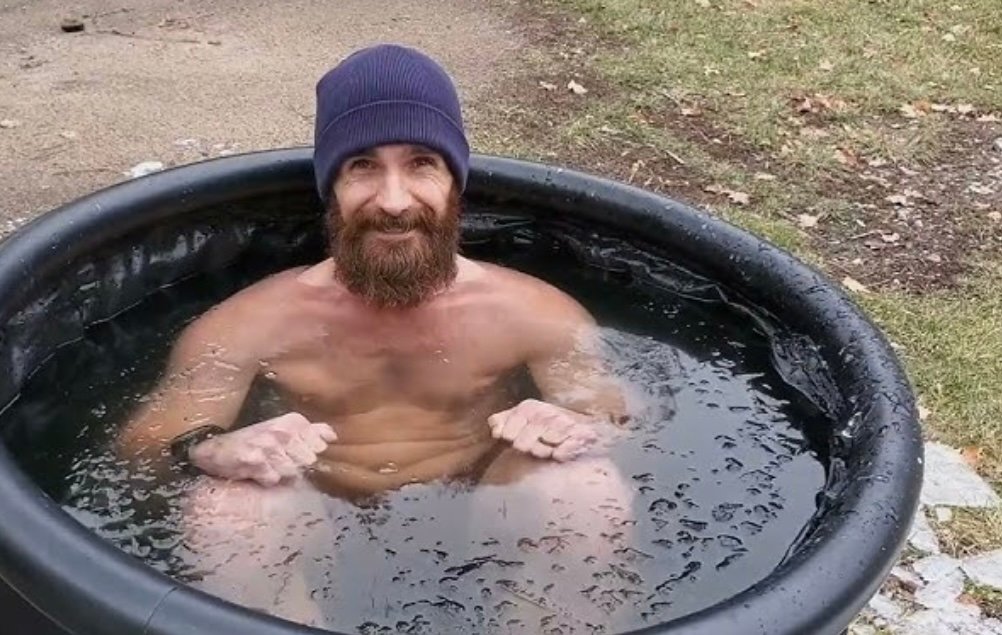
Recovery isn’t just about what you do—it’s about when you do it. The timing of cold exposure can drastically change how effective it is, especially for older grapplers dealing with slow inflammation clearance, work stress, and longer recovery windows. Knowing when to cold plunge for recovery gives you a clear structure that reduces soreness, improves consistency, and protects long-term training longevity.
Cold therapy has real value, but only when it’s used at the right moment. Poor timing can blunt strength gains, disrupt the adaptation process, or leave you feeling sluggish before training. Using it correctly helps you manage inflammation, calm your nervous system, and stay on the mats without losing performance.
This guide explains the ideal timing windows, the mistakes to avoid, and how older grapplers can fit cold exposure into a busy training schedule without sacrificing strength, mobility, or recovery quality.
Why Timing Matters More for Grapplers Over 40
Timing matters because your body doesn’t recover the way it did in your twenties. Inflammation lasts longer, muscle soreness settles deeper, and joint irritation has a bigger impact on training frequency. This is why understanding when to cold plunge for recovery becomes important—older athletes need recovery strategies that work with the body, not against it.
Here’s what changes with age:
- Connective tissue stiffens faster
- Stress hormones stay elevated longer after training
- Sleep disruption has a bigger impact on recovery
- Joint inflammation becomes harder to manage
- Muscles take longer to clear metabolic by-products
Cold exposure helps manage these issues, but only if it’s done at the right time relative to training, sleep, and strength sessions.
Immediate Post-Training Cold Exposure
Most research and athlete experience agree that the best time to use cold therapy for recovery is after training. The goal is to control inflammation, settle the nervous system, and reduce soreness before it becomes an issue the next day.
You’ll feel the difference most clearly after:
- Hard sparring rounds
- Pressure-heavy training sessions
- Takedown drilling
- High-intensity conditioning work
- Back-to-back training days
Using cold exposure within the first hour after a BJJ session helps you:
- Reduce next-day soreness
- Settle joint irritation
- Sleep better after evening training
- Lower core temperature
- Calm the nervous system
This is the main answer to when to cold plunge for recovery for grapplers who train after work or late in the evening. Cold exposure routes the body toward a calmer, recovery-focused state.
Why Cold Plunges Work Best After BJJ and Not Before
Cold exposure temporarily affects blood flow, nerve conduction, and muscle elasticity. This means doing it right before training can reduce performance and make injuries more likely. Grip strength, explosiveness, and power output all temporarily drop after cold immersion.
This is why pre-training cold plunges are rarely recommended, especially for older grapplers who already deal with restricted mobility and stiffness.
Cold therapy is a recovery tool, not a warm-up tool.
Morning Cold Exposure on Rest Days
If you’re not training that day, the morning is often the best time to use cold exposure. It gives you mental clarity, reduces residual inflammation from previous sessions, and doesn’t interfere with any evening strength or technique work.
Morning sessions help:
- Lower background inflammation
- Improve energy and alertness
- Support parasympathetic activation
- Reduce stiffness from the previous night
- Improve recovery heading into the next training day
Many grapplers over 40 find this the easiest and most consistent routine. It doesn’t require precision timing—you just need 2–5 minutes to feel the benefits.
When Cold Exposure Doesn’t Help
There are clear situations where cold exposure is not ideal. If you are sore because your muscles are adapting from strength training, cold exposure too soon afterward can interfere with long-term hypertrophy and strength gains.
This doesn’t apply to BJJ technique or rolling—it only applies to weight training.
This is why understanding when to cold plunge for recovery is so important. Cold therapy is highly effective, but timing determines whether it helps or holds back adaptation.
The Best Time Windows for Cold Exposure
Learning when to cold plunge for recovery comes down to understanding how the body responds during different stages of the day. Older grapplers have different recovery demands than younger athletes, so timing becomes even more important.
Below are the most effective windows and why they work.
1. Within 30–60 Minutes After Training
This is the strongest timing window for grapplers over 40. The goal is to calm down the inflammation that starts building after sparring, pressure passing, takedown drilling, and conditioning work.
Benefits of this window:
- Reduces next-day soreness
- Helps settle joint irritation early
- Lowers core temperature after evening sessions
- Starts the parasympathetic (rest) response
- Improves sleep readiness
This post-training timing is the foundation of when to cold plunge for recovery for most BJJ athletes.
2. 1–3 Hours After Evening Training
If you train late, going home and jumping straight into an ice bath isn’t always practical. This second window still works well because inflammation is active, and your nervous system is still elevated.
Using cold exposure here can help with:
- Reducing late-night muscle tension
- Improving the transition into sleep
- Calming post-training stress
- Managing joint swelling before the next day
Older grapplers who train after work often rely on this window because it fits real life.
Why You Should Avoid Cold Exposure Before Strength Training
Cold therapy isn’t ideal before lifting weights. It temporarily reduces blood flow and stiffness tolerance, which you need for strength work. It also blunts some of the muscle-building signals you’re trying to stimulate during resistance training.
Best practice:
- Do your strength session
- Wait 4–6 hours
- Then use cold exposure
This protects long-term strength gains while still giving you the recovery benefits later in the day.
Midday Cold Exposure for Recovery Between Sessions
If you train twice a day or have a hard session followed by evening technique work, midday cold exposure can be a good option. It lowers background inflammation and resets the system without affecting the next session.
Midday plunges help with:
- Reducing accumulated soreness
- Keeping inflammation manageable
- Improving energy before a second session
- Resetting focus after work stress
This is also a good time for anyone who wants to stay consistent but doesn’t always have a perfect training schedule.
Cold Exposure on Rest Days
For grapplers over 40, rest days often include stiff joints, sore ribs, or general fatigue. Morning cold exposure works especially well here because it doesn’t affect training performance later.
Rest-day benefits include:
- Lowering overnight inflammation
- Improved mobility throughout the day
- A mental lift in the morning
- Reduced stiffness from heavy sparring days
- Maintaining a consistent recovery routine
Morning exposure on rest days is one of the simplest ways to use timing effectively.
This is also where many older athletes feel the most reliable, repeatable results—another important point when deciding when to cold plunge for recovery.
When Cold Exposure May Not Help Your Recovery
There are clear situations where cold immersion provides little benefit or may even work against you.
Avoid cold exposure:
- Immediately before rolling or drilling
- If you already feel excessively cold or shaky
- During respiratory illness
- If you’re experiencing nerve pain
Cold therapy should support recovery, not interfere with performance or safety.
The Role of Consistency in Timing
The perfect timing window matters, but consistency matters more. If your schedule is unpredictable—work, kids, family, late training sessions—a realistic routine is better than a perfect one.
The best routine is the one you can repeat.
Understanding when to cold plunge for recovery simply helps you align that routine with how your body works as you get older.
How Cold Exposure Affects the Nervous System
Your nervous system plays a bigger role in recovery than most grapplers realise. Hard rolls elevate stress hormones, increase heart rate, and keep the body “switched on” hours after training ends. Cold exposure helps reverse this by triggering a controlled stress response followed by a deeper recovery state.
Understanding this shift is key when deciding when to cold plunge for recovery.
Key Nervous System Benefits
- Calms post-training stress
- Reduces background anxiety
- Lowers elevated heart rate
- Supports deeper sleep later in the night
- Helps transition from “fight mode” to recovery mode
Older grapplers benefit even more from this because their recovery window is usually shorter and their daily stress load is higher.
Temperature Guidelines for Different Goals
You don’t need extreme cold to get results. The right temperature depends on your intent—recovery after training, mental reset, or managing inflammation.
Effective Temperature Ranges
- 10°C–15°C (50°F–59°F): Best for daily recovery
- 8°C–10°C (46°F–50°F): For experienced users only
- 12°C–15°C (54°F–59°F): Best for morning rest-day use
- 10°C–12°C (50°F–53°F): Ideal after hard sparring
For most grapplers over 40, 10–15°C is the sweet spot. It balances effectiveness with safety and consistency.
Staying within this range supports recovery without overwhelming the system—one of the core principles behind understanding when to cold plunge for recovery.
Session Duration: How Long Should You Stay In?
Cold exposure works because of controlled stress, not extreme endurance. Longer sessions aren’t better. Staying in too long increases risk without adding recovery benefits.
Recommended Duration
- 2–5 minutes for daily or post-training use
- 5–8 minutes for tougher recovery days
- 8–10 minutes only for experienced athletes
Shorter sessions (2–3 minutes) still produce meaningful benefits for joint relief, inflammation control, and nervous system recovery.
Stop immediately if you feel:
- Numbness
- Sharp pain
- Tingling that doesn’t fade
- Dizziness
- Uncontrollable shaking
Cold exposure should challenge you, not put you at risk.
How to Build a Weekly Cold Exposure Routine
Older grapplers recover better with structure. Instead of guessing, use a simple weekly template that fits your training schedule and focuses on when to cold plunge for recovery without interfering with strength work.
Example Weekly Structure
Monday (Hard Roll Day):
2–5 min post-training cold exposure
Tuesday (Strength Training):
No cold exposure until 4–6 hours after lifting
Wednesday (Light Technical Session):
Skip cold therapy or use a short 2–3 min session if sore
Thursday (Hard Roll Day):
3–5 min post-training cold exposure
Friday (Rest or Mobility Day):
Morning cold exposure, 2–4 min at 12–15°C
Weekend:
Optional recovery session depending on how you feel
This routine supports long-term consistency while respecting the body’s need for adaptation.
Combining Cold Exposure With Other Recovery Tools
Cold exposure works well with other recovery methods, but the timing matters. If you overload your body with multiple stressors at once, you reduce the effectiveness of each tool.
Works Well With:
- Light stretching after warming up
- Breathing exercises
- Mobility work
- Evening relaxation routines
- Easy post-training walks
Avoid Combining With:
- Immediate heavy stretching before cold exposure
- Strength sessions without a 4–6 hour gap
- Intense conditioning right before plunging
Stacking recovery tools correctly increases their value. This is part of learning when to cold plunge for recovery in a way that fits your overall training plan.
Morning vs Evening Cold Exposure: What’s Better?
Morning Benefits
- Boosts alertness
- Reduces overnight inflammation
- Helps reset mood and focus
- Works well on rest days
Evening Benefits
- Reduces soreness from hard rolls
- Supports post-training nervous system recovery
- Calms the body before bed
- Helps manage joint pressure
The “better” option depends entirely on your training schedule. Both work. What matters most is choosing the timing that supports consistency.
Common Mistakes With Cold Exposure Timing
Even experienced athletes misuse cold therapy. The most common mistake is doing it at the wrong moment, which reduces the benefits or interferes with training adaptation.
Mistakes to Avoid
- Using cold exposure immediately before strength training
- Staying in the water too long on low-energy days
- Using temperatures below 8°C before adapting
- Doing cold therapy right before rolling
- Relying on cold exposure instead of addressing technique or mobility issues
Understanding these mistakes makes it easier to decide when to cold plunge for recovery in a way that supports long-term training longevity.
A Simple Timing Framework for Grapplers Over 40
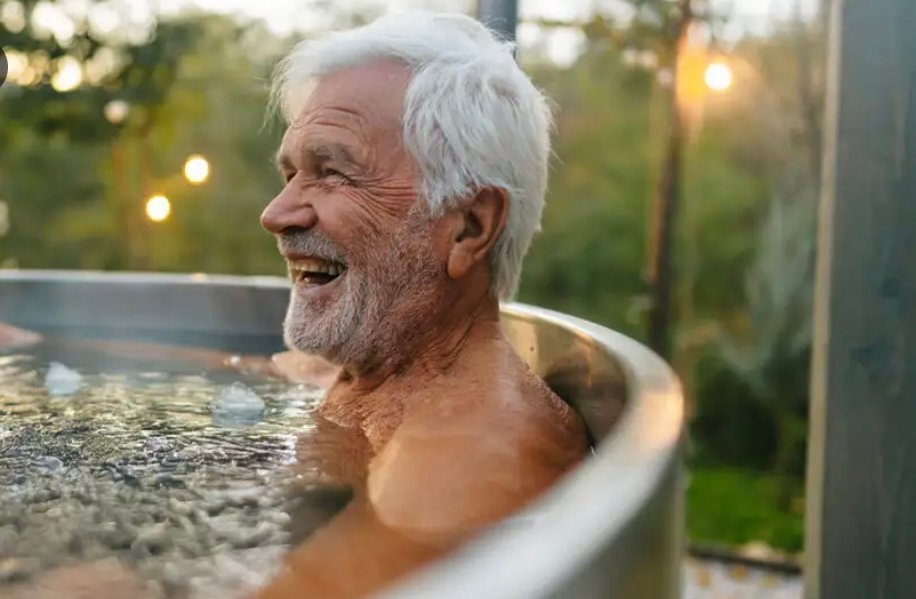
To make cold exposure easy to use and repeat, here’s a straightforward timing framework:
If you trained hard today:
→ Use cold exposure within 30–60 minutes after rolling
Duration: 2–5 minutes
Temperature: 10–15°C
If you trained light or drilled only:
→ Optional short session (2–3 minutes) if joints feel irritated
If you lifted weights:
→ Wait 4–6 hours before cold exposure
(This protects strength and muscle-building signals.)
If it’s a rest day:
→ Use cold therapy in the morning to help reduce stiffness and inflammation
If you’re stressed and tired:
→ A short session helps reset the nervous system, but avoid anything extreme
This framework works for nearly every older grappler. It removes guesswork and gives you a routine you can stick to without sacrificing performance.
Who Should Use Cold Exposure More Often?
Cold therapy is especially helpful for:
- Grapplers with high weekly training volume
- Anyone dealing with chronic joint irritation
- Older athletes experiencing slow recovery
- People who train late in the evening
- Grapplers who struggle with post-training sleep
These are the athletes who get the most predictable results from learning when to cold plunge for recovery.
Who Should Use It Less Often?
Cold exposure is not ideal for:
- Those focused heavily on muscle growth
- Athletes recovering from recent surgery
- Anyone with circulation issues or Raynaud’s
- People who get excessively cold or shaky after plunging
In these cases, the risks outweigh the benefits. When in doubt, reduce the frequency or speak with a healthcare professional before adding cold exposure into your recovery routine.
Final Summary
Cold therapy is a powerful recovery tool for older grapplers, but timing determines how effective it really is. The best time windows are after hard training, in the morning on rest days, or several hours after strength work. Using cold exposure correctly helps reduce inflammation, calm the nervous system, improve sleep, and support long-term consistency on the mats.
The key is simple:
Use cold exposure when it helps recovery—not when it interferes with performance.
This is the foundation of understanding when to cold plunge for recovery and how to make it part of a long-term training routine.
References
- NIH – Human physiological responses to cold exposure:
https://www.ncbi.nlm.nih.gov/books/NBK232852/ - PMC – Cold-water immersion reduces post-exercise muscle soreness:
https://pmc.ncbi.nlm.nih.gov/articles/PMC6492480/
Related Guides
- Mobility & Flexibility Hub:
https://chokeandchillbjj.com/bjj-mobility-hub/ - Cold Plunge Recovery Hub:
https://chokeandchillbjj.com/cold-plunge-for-bjj-over-40/ - Shoulder & Thoracic Mobility Guide:
https://chokeandchillbjj.com/shoulder-thoracic-mobility-for-bjj/
Disclaimer
This article is based on current research and personal experience. It is not medical advice. Cold exposure may not be suitable for individuals with cardiovascular issues, circulation disorders, Raynaud’s disease, nerve conditions, or medical conditions affected by temperature stress. Speak with a healthcare professional before starting any cold therapy routine.